
Blog
Oil Trade in the Middle East and Its Impact on the Regional Economy

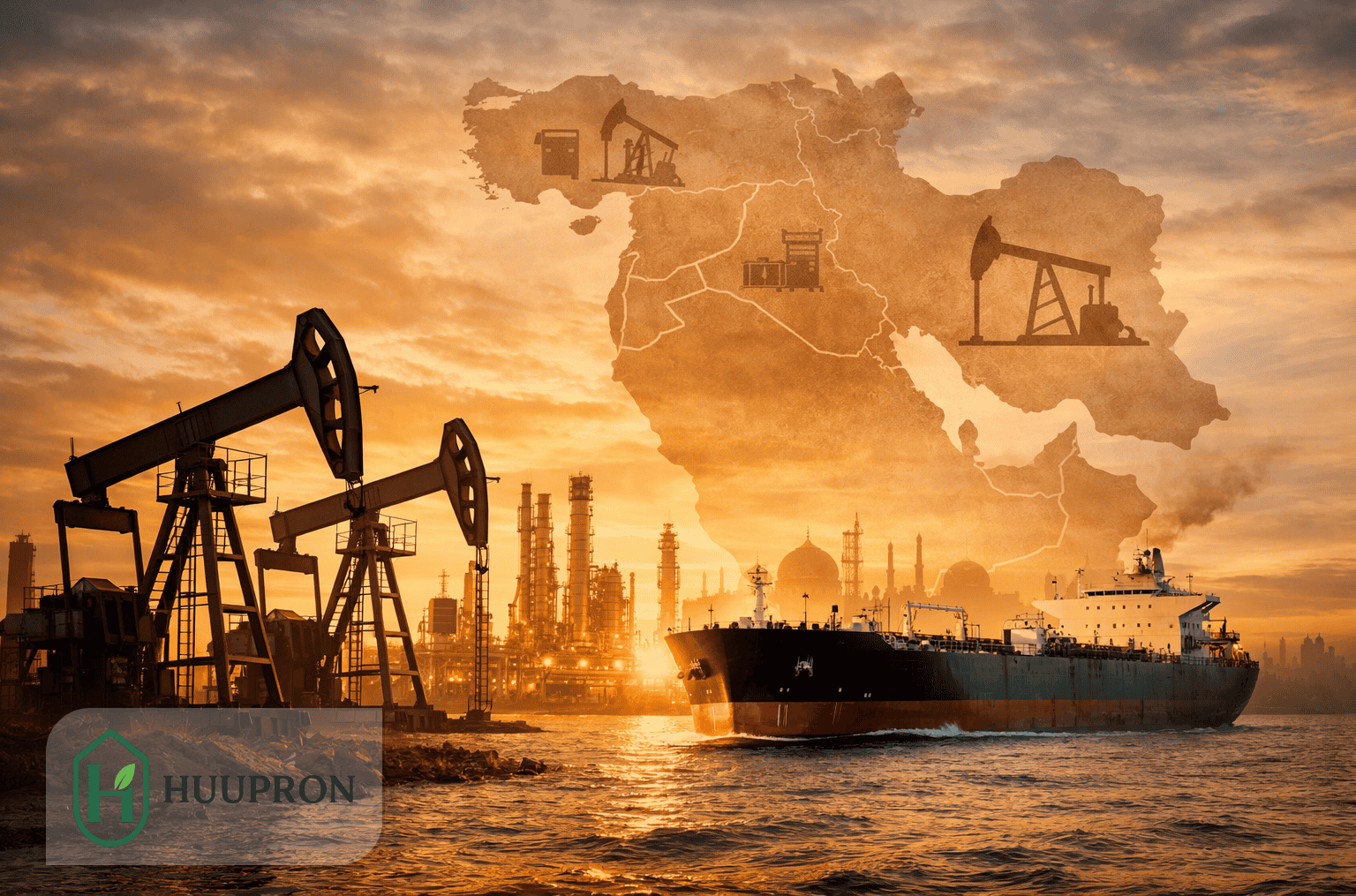
Oil Trade in the Middle East and Its Impact on the Regional Economy
The Middle East plays a critical role in the global oil market. With more than one-third of the world’s proven oil reserves, the region strongly influences energy prices, supply stability, and international economic trends. For many Middle Eastern countries, oil trade is not just an industry — it is the foundation of their national economy.
The Middle East as a Global Oil Power
Countries such as Saudi Arabia, Iran, Iraq, the UAE, and Kuwait are among the world’s largest oil producers. Their production levels and export policies, often coordinated through OPEC, have a direct impact on global oil prices. In this region, oil is more than a commodity. It is a strategic economic and political asset.
How Oil Trade Supports Regional Economies
Oil revenues provide a major source of income for Middle Eastern governments. These funds are used to finance:
- Infrastructure projects
- Public services
- Social welfare programs
- Education and technology development
This income has helped several countries achieve rapid economic growth and modernization.
The Risks of Oil Dependency
Heavy reliance on oil exports also creates economic vulnerability. When global oil prices fall, oil-dependent economies often face:
- Budget deficits
- Currency devaluation
- Slower economic growth
- Higher unemployment
This instability makes long-term economic planning more difficult.
Economic Diversification in the Middle East
To reduce dependence on oil, many countries in the region are investing in other sectors, including:
- Renewable energy
- Tourism
- Technology and innovation
- International trade and finance
Saudi Arabia’s Vision 2030 and the UAE’s economic diversification strategies show how the region is preparing for a post-oil future.
The Future of Oil Trade in the Middle East
While global demand for clean energy is increasing, oil will remain an important resource for decades. However, its role in the global economy will gradually change.
The countries that succeed will be those that transform oil revenue into sustainable economic development rather than short-term spending.
Conclusion
Oil trade has shaped the Middle East economy for generations. But long-term stability depends on diversification, innovation, and strategic investment beyond fossil fuels. The future belongs to the economies that adapt early.
Contact HUUPRON today to explore partnership opportunities in local manufacturing and brand building.